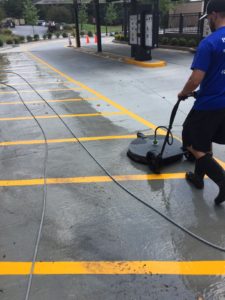
When it comes to cleaning outdoor surfaces, pressure washing is one of the most effective methods available. However, there is a key distinction between using cold water and hot water pressure washing—each suited to different cleaning needs.
Cold Water Pressure Washing
Cold water pressure washing is the standard approach most people are familiar with. The force of the pressurized water alone is effective at blasting away dirt, dust, mud, loose paint, and surface-level debris. It’s ideal for general cleaning tasks such as:
-
Sidewalks and driveways
-
Decks and patios
-
Removing pollen and dust buildup
Cold water systems are also more affordable to operate since they require less equipment and energy.
Hot Water Pressure Washing (Power Washing)
Hot water pressure washing—often called power washing—uses heated water in addition to high pressure. The heat helps break down grease, oil, and other stubborn residues that cold water alone can’t fully remove. It’s particularly effective for:
-
Grease-stained parking lots
-
Commercial kitchens and dumpster areas
-
Industrial equipment cleaning
The combination of heat and pressure not only cleans more thoroughly but also sanitizes surfaces by killing bacteria and algae.
Key Takeaway
-
Cold water pressure washing is cost-effective and great for routine cleaning.
-
Hot water pressure washing is more powerful, better for tough stains, and provides an added level of sanitation.
Choosing the right method depends on the type of buildup you’re tackling and the surface you’re cleaning. Many property owners find that a mix of both methods across different jobs gives them the best long-term results.