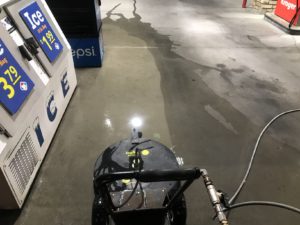
Pressure washing is an effective way to maintain the appearance and safety of exterior surfaces, but the best approach often depends on the time of year. Seasonal changes in weather, temperature, and environmental conditions can affect both the cleaning process and the results.
Spring
Spring is one of the busiest times for pressure washing. After winter, surfaces often have a buildup of dirt, salt, mold, and mildew. A more thorough wash is recommended, often with detergents designed to break down organic growth. Soft washing may also be used to safely clean delicate areas like siding and roofs.
Summer
Warm weather and longer days make summer ideal for pressure washing. However, surfaces can get very hot, especially concrete and asphalt. This means cleaning should often be done in the morning or evening to prevent streaking or rapid drying of detergents. Hot water pressure washing is particularly effective for oil stains, gum, or grease that become more noticeable in summer heat.
Fall
As leaves and organic debris accumulate, fall pressure washing focuses on removing buildup from gutters, sidewalks, and driveways. Cleaning surfaces before winter ensures that mold and rot do not set in. Lower temperatures may require adjustments in detergent strength or the use of hot water for effective results.
Winter
While not always the prime season, winter washing is sometimes necessary—especially in warmer regions. In colder climates, special care is required since freezing temperatures can create safety hazards on wet surfaces. Professionals may adjust pressure, temperature, and detergents to avoid damage while still keeping key areas like entrances and walkways clean.
Conclusion
Pressure washing is not a one-size-fits-all service. The season affects not only when to wash but also how to wash. By adapting methods to the climate, businesses and property owners can extend the life of their surfaces and keep them looking their best year-round.
Contact us at bcs-services.com or matt@bcs-services.com to schedule a free quote