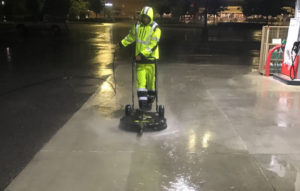
It’s a common question property owners ask after a stretch of wet weather: If it’s been raining for days, do I still need to pressure wash my sidewalks? The short answer is yes — because rainwater doesn’t actually clean surfaces the way professional washing does.
Rain Doesn’t Remove Built-Up Contaminants
While rain can rinse away loose dust, it doesn’t remove the grime that bonds to concrete over time. Dirt, mildew, oil, and organic buildup cling to porous surfaces like sidewalks and driveways. In fact, moist weather can make these problems worse by helping algae and mold grow faster.
Rainwater Leaves Behind Its Own Residue
Rain carries tiny particles of dust, pollen, and air pollution. When it dries, these leave a thin film that dulls the look of concrete and attracts even more dirt. Without pressure washing, the surface gradually becomes darker and more slippery.
Pressure Washing Does What Rain Can’t
Professional pressure washing uses controlled pressure and specialized detergents to break down deep-set stains and organic growth. It restores concrete’s bright appearance, eliminates slip hazards, and helps prevent long-term damage from moss and mildew.
Preventive Maintenance Saves Money
Regular pressure washing keeps sidewalks from becoming permanently stained or unevenly weathered. That means fewer repairs, better curb appeal, and a safer surface for pedestrians — no matter how much it’s been raining.
Bottom line: Rain might rinse your sidewalks, but it doesn’t clean them. A proper pressure wash cuts through buildup that water alone can’t touch, keeping your property looking fresh, safe, and professional year-round.
For a free commercial pressure washing quote visit bcs-services.com or contact matt@bcs-services.com