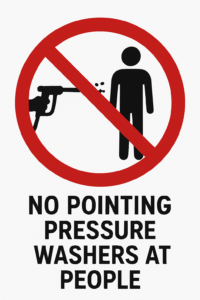
Pressure washing is an effective way to clean concrete, buildings, vehicles, and many commercial surfaces—but it also comes with risks. High-pressure water can cut skin, damage property, and create slippery conditions if handled incorrectly. Whether you’re tackling a small project or managing large-scale commercial cleaning, following proper safety practices is essential. Here are the top five safety tips every pressure washing operator should know:
1. Wear Proper Protective Gear
Pressure washers may look simple, but the force behind them can cause serious injury. Always wear:
-
Safety goggles or a face shield
-
Non-slip, closed-toe shoes
-
Long pants and sleeves
-
Hearing protection for gas-powered units
This gear protects you from flying debris, chemical splash, and accidental spray.
2. Never Aim the Wand at Yourself or Others
Even light-duty pressure washers can deliver thousands of PSI—powerful enough to puncture skin or cause deep tissue injury. Always keep the wand pointed away from people, pets, and fragile surfaces. Treat it with the same caution you would with any high-powered tool.
3. Use the Correct Nozzle for the Job
Different nozzle degrees drastically change the spray pattern and pressure. Using the wrong one can cause damage or create unpredictable kickback. As a general guide:
-
0° – pinpoint, extremely strong (rarely recommended)
-
15° – heavy-duty cleaning
-
25° – general cleaning
-
40° – gentle washing
-
Soap nozzle – low pressure for detergents
Choosing the right nozzle ensures effective cleaning while reducing hazards.
4. Be Aware of Electrical Hazards
Water and electricity are a dangerous combination. When pressure washing around light fixtures, outlets, signage, or powered equipment:
-
Avoid spraying directly at electrical components
-
Use GFCI outlets and extension cords
-
Inspect equipment for damaged wires or plugs
-
Keep electrical connections elevated and dry
This simple awareness prevents shocks and equipment failures.
5. Watch Your Footing and Surroundings
Wet surfaces become slippery, especially on concrete, tile, and wood. To avoid falls:
-
Wear traction footwear
-
Keep your stance wide and stable
-
Be aware of hoses that can tangle or trip you
-
Avoid working on ladders whenever possible—kickback from the wand can cause falls
If you must reach high areas, use extension wands or lift equipment designed for safe elevation.
Final Thoughts
Pressure washing is a powerful cleaning method, but safe operation is key to avoiding injuries and property damage. By following these five guidelines—protective gear, safe wand handling, proper nozzles, electrical awareness, and secure footing—you can clean effectively and confidently.
OR
You can let us do it for you! Visit bcs-services.com or contact matt@bcs-services.com to get a free quote!